Web-based Pig Tracking
Pipelines are the backbone of global energy transport. They move oil, gas, and other resources safely over long distances — but keeping them reliable takes constant monitoring and precise control.
That’s why modern pig tracking solutions are transforming how operators maintain pipeline integrity, combining remote tracking, real-time data, and web-based visibility to make operations safer, faster, and more efficient.
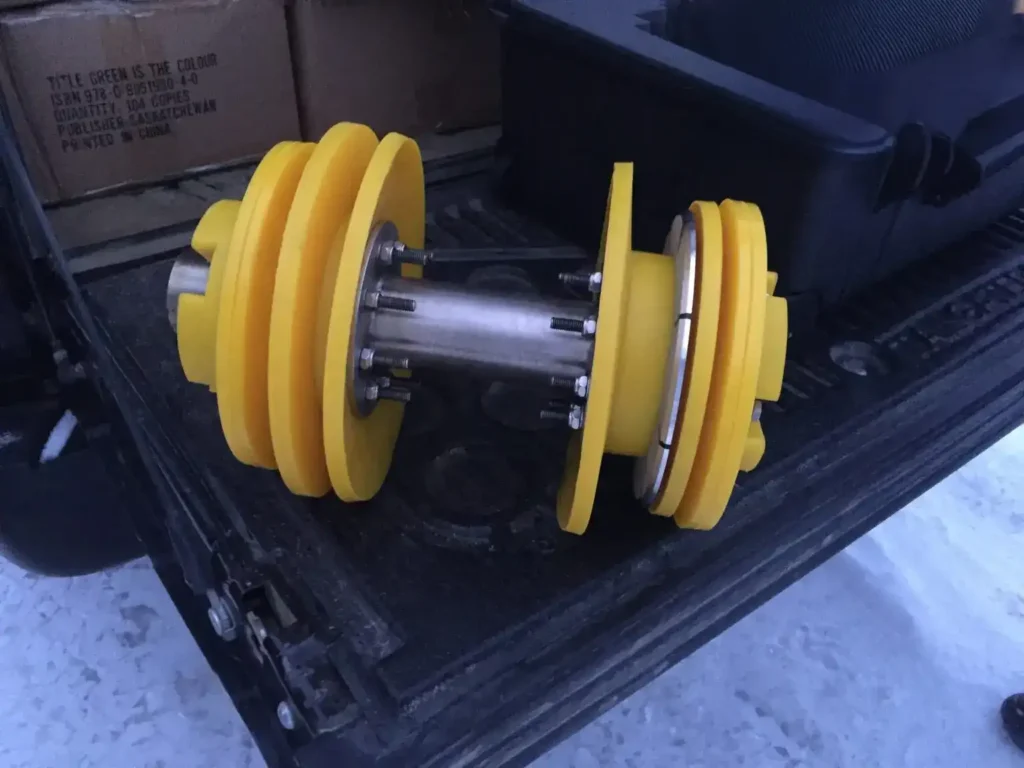
Pipeline pigging is the process of sending a tool, called a “pig,” through a pipeline to clean, inspect, or maintain it.
Pigs remove debris, check for corrosion, and ensure smooth product flow. They come in several types:
Cleaning pigs – remove buildup and deposits.
Inspection pigs – use sensors to detect corrosion, cracks, or dents.
Utility pigs – support maintenance tasks like batching or gauging.
Pigging has been used for decades, but technology has evolved. Today’s remote and web-based pig tracking systems let operators follow every pig run in real time — without relying on manual field tracking.
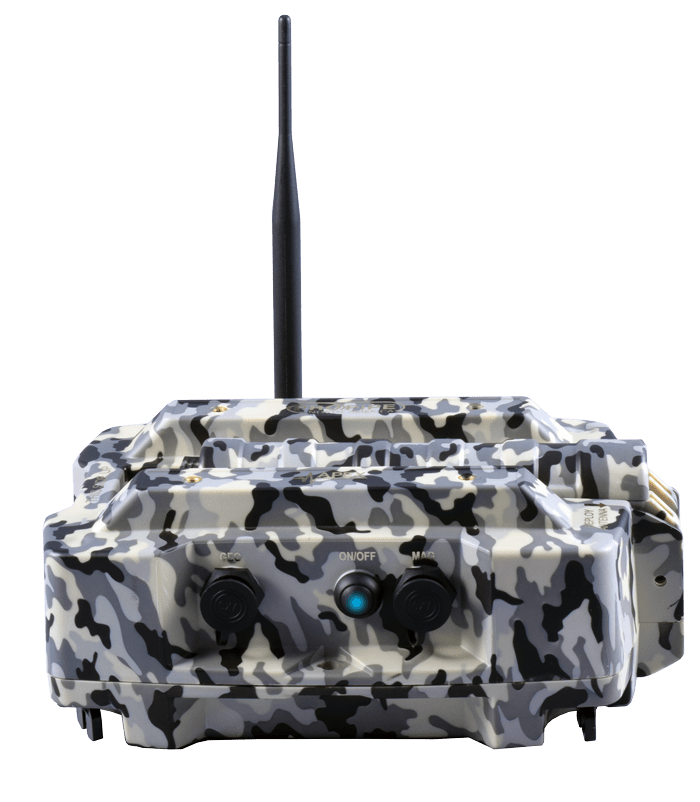
Modern pig-tracking solutions combine field sensors with digital software. Devices such as the APEX Above Ground Marker (AGM) detect pigs using electromagnetic (EM) and acoustic signals.
These detections are logged, timestamped, and sent to PigView Web, where data can be viewed instantly by operators anywhere in the world.
This combination of hardware and software eliminates guesswork. Operators know where their pig is, when it passed a checkpoint, and how the pipeline is performing — all in real time.
In the past, tracking a pig meant sending technicians into the field to follow its route manually. That process was slow, costly, and sometimes dangerous.
With remote pig tracking, operators monitor pigs from their office or control room using GPS, cellular, or satellite data.
This approach:
Reduces field labor and travel costs.
Improves worker safety in remote or hazardous areas.
Speeds up decision-making when issues arise.
Systems like Propipe’s APEX AGM stream live pig location data directly into PigView Web, giving operators the visibility they need to act quickly.
If a pig gets stuck, pressure can build up and create serious hazards. Real-time pig tracking pinpoints its exact location, allowing teams to respond immediately and prevent incidents.
For inspection pigs, accurate location data is essential to map corrosion or defects. Tracking ensures every sensor reading is tied to a precise pipeline position.
Continuous monitoring minimizes unplanned downtime by detecting slow-moving pigs or blockages before they stop production.
Fewer on-site visits and faster verification reduce overall operating expenses while improving productivity.
Remote pig tracking systems, such as Propipe North America’s APEX AGM, provide live updates on the pig’s location, speed, and status. This minimizes response times and ensures that operators can act immediately if issues arise during the pig run.
Modern systems can detect pigs equipped with electromagnetic transmitters operating at multiple frequencies. This ensures reliable tracking even in challenging environments with high electromagnetic interference.
Platforms like Propipe’s PigView Web allow operators to access pig-run data from any device with an internet connection. This eliminates the need for manual data retrieval and streamlines the reporting process.
Combining geophones with electromagnetic detection provides an extra layer of accuracy. While geophones detect vibrations caused by the pig’s movement, EM signals confirm its exact location, reducing false positives.
Designed for rugged conditions, pig tracking equipment like the APEX AGM operates reliably in extreme temperatures, remote locations, and harsh environments.
Pipeline safety is a top priority for operators, regulators, and communities. Here’s how pig-tracking solutions contribute to safer operations:
Inspection pigs equipped with advanced sensors can detect anomalies such as corrosion, cracks, and dents. Accurate tracking ensures that these anomalies are precisely located, enabling targeted repairs before they escalate into major issues.
Stuck pigs can disrupt product flow and pose safety hazards. Remote pig tracking systems allow operators to monitor pig runs in real time, identifying potential obstructions and addressing them proactively.
With web-based pig tracking, operators can monitor pig runs remotely, reducing the need for technicians to work in hazardous environments. This is especially valuable in pipelines that traverse difficult terrain or remote areas.
In case of a pipeline emergency, real-time tracking data enables more effective responses, minimizing environmental and operational impacts. Learn more about the impact of pipeline incidents on pipeline integrity management.
Efficiency is another critical benefit of modern pig tracking systems. Here’s how they streamline operations:
Real-time data allows operators to make immediate adjustments during a pig run, optimizing the process and reducing downtime.
By enabling remote pig tracking, operators can cut labor costs associated with on-site monitoring. Fewer technician hours and reduced travel expenses result in significant savings.
Accurate tracking data ensures that maintenance efforts are focused on specific pipeline sections, avoiding unnecessary work and reducing overall costs.
Cloud-based platforms like PigView Web store all pigging data in a centralized location, making it easy to retrieve historical records, generate reports, and share insights with stakeholders.
The pipeline industry is rapidly adopting digital solutions to improve safety and efficiency. Here are some trends shaping the future of pig-tracking solutions:
Machine learning algorithms are being used to analyze pigging data, distinguish between true signals and noise, and predict maintenance needs more accurately.
Advances in transmitter technology are improving the reliability of EM signal detection, even in pipelines with challenging conditions.
Web-based pig tracking systems are becoming more intuitive, offering features like real-time analytics, customizable alerts, and seamless integration with other pipeline management tools.
Remote pig tracking reduces the need for technician travel, lowering the environmental impact of pipeline operations.
At Propipe North America, we’re dedicated to developing innovative pig-run solutions that set new standards for pipeline integrity management. Our APEX AGM system, combined with the PigView Web platform, offers unparalleled capabilities for remote pig tracking and real-time data management.
With a strong focus on safety, efficiency, and client satisfaction, we’re committed to helping operators navigate the complexities of pipeline maintenance with confidence and ease.
As the pipeline industry continues to evolve, pig tracking solutions are becoming indispensable tools for operators. From ensuring safety to optimizing efficiency, these technologies provide the real-time insights needed to maintain pipeline integrity in a cost-effective and sustainable manner.
Whether you’re managing a 50-mile pipeline or a 500-mile network, adopting advanced remote pig tracking and web-based pig tracking systems can transform your operations. Contact Propipe North America today to learn more about how our innovative solutions can enhance your pipeline safety and efficiency.
Protect your pipelines with Propipe’s proven pig-tracking solutions.
Contact Propipe North America to learn how the APEX AGM and PigView Web can strengthen your pipeline integrity management program and keep your operations running smoothly.