Pipeline incidents are rare, but when they do happen, the impact can be severe. They can harm the environment, put people at risk, and damage public trust. Every incident teaches the industry how to reduce future risks. Because of this, pipeline integrity management is changing quickly. Operators now rely on smarter tools, better data, and more transparent processes to keep pipelines safe.
Pipeline Safety Insights
According to the U.S. National Transportation Safety Board (NTSB), many major pipeline failures in the past decade were caused by delayed maintenance, undetected corrosion, and mistakes in tracking pig locations and tool performance.
High-profile incidents — such as the Marshall, Michigan oil spill and the San Bruno gas explosion in 2010 — pushed the industry to change how pigging data is collected, analyzed, and used.
After these events, PHMSA and CEPA issued stronger requirements for in-line inspection (ILI).
These updates focused on:
- Better detection and verification of anomalies
- Mandatory recordkeeping and traceability for all pig runs
- Reliable, real-time data systems
- Clear documentation and faster access to inspection data
Because of these changes, operators now depend on cloud-connected pig tracking platforms that provide accurate data and predictive insight.
What Modern Integrity Programs Focus On
- Data Centralization
All pig detection events are stored in one system for fast review and easy reporting.
- Real-Time Monitoring
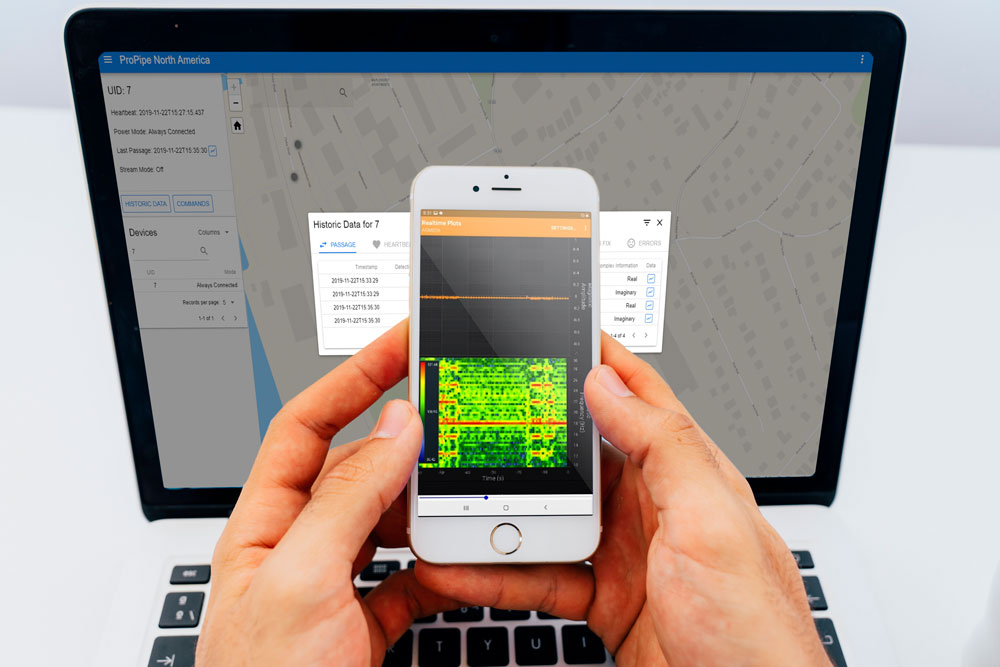
Platforms like PigView Web help operators respond to issues the moment they appear.
- Predictive Maintenance
AI tools identify patterns and predict when equipment may need repair.
- Audit Trails
Time-stamped logs create clear, verifiable records for regulators and internal teams.
At Propipe North America, our technology is designed to make pig tracking accurate, reliable, and proactive.
Our systems offer:
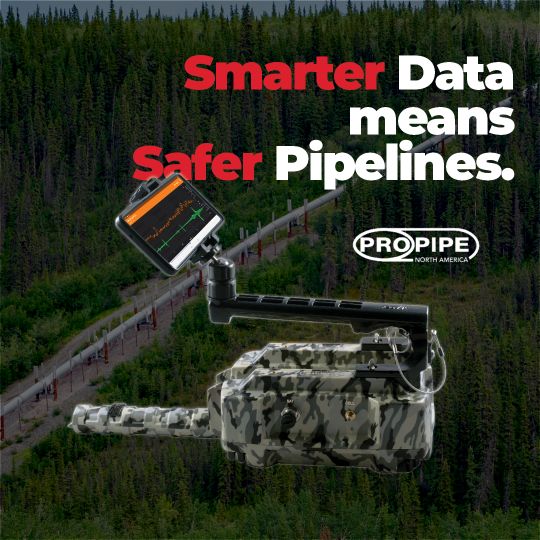
- Dual-sensor accuracy to confirm every pig passage
- High-frequency waveform logs for post-run analysis
- GPS tagging with cloud storage for instant data sharing
- AI-based filtering to reduce false positives and missed detections
These features support regulatory compliance — and help prevent incidents before they occur.
Industry Insights on Integrity Management
Industry leaders such as INGAA and NACE report that proactive pipeline integrity management lowers incident rates.
Companies using real-time tracking and predictive analytics have seen:
Faster identification and response to issues
Fewer emergency digs
Better confidence from stakeholders and regulators
Every major incident pushes the industry to improve.
Today’s best practices rely on data, prediction, and real-time visibility — and Propipe North America’s pig tracking solutions are built to meet these standards.
PHMSA – Pipeline and Hazardous Materials Safety Administration
A U.S. federal agency within the Department of Transportation responsible for regulating and ensuring the safe transport of energy and hazardous materials via pipelines and other means.
CEPA – Canadian Energy Pipeline Association
An industry association in Canada that represents major pipeline companies, focusing on safety, environmental protection, and advocacy for pipeline integrity standards.
INGAA – Interstate Natural Gas Association of America – is a trade organization that represents companies that operate interstate natural gas pipelines in the United States.
NACE – National Association of Corrosion Engineers – (now known as AMPP — Association for Materials Protection and Performance)
NACE was the leading global authority on corrosion prevention, especially in industries like oil and gas, pipelines, energy, and infrastructure.
ILI – In-Line Inspection
A pipeline inspection method that uses devices (“pigs”) traveling inside the pipeline to detect anomalies such as corrosion, cracks, or other defects.