The Evolution of Pig Tracking
Pipeline systems play a critical role in moving energy safely and efficiently. To keep them reliable, operators need clear, accurate data. Traditional pig tracking made this difficult. It relied on manual field checks, delayed reports, and separate data sources. These gaps limited the strength of many pipeline integrity management programs.
Today, predictive analytics gives operators a faster and more reliable way to understand what is happening inside the pipeline. Modern pig tracking tools use real-time data, automation, and cloud connectivity to support smarter, proactive decisions.
In the past, pig tracking depended on EM detectors, geophones, and field crews to confirm each pig passage. While effective, it was slow and reactive. Predictive analytics powered by AI now provides a major improvement, offering accurate, automated insight during every inline inspection run.
How Predictive Analytics Works in Pig Tracking
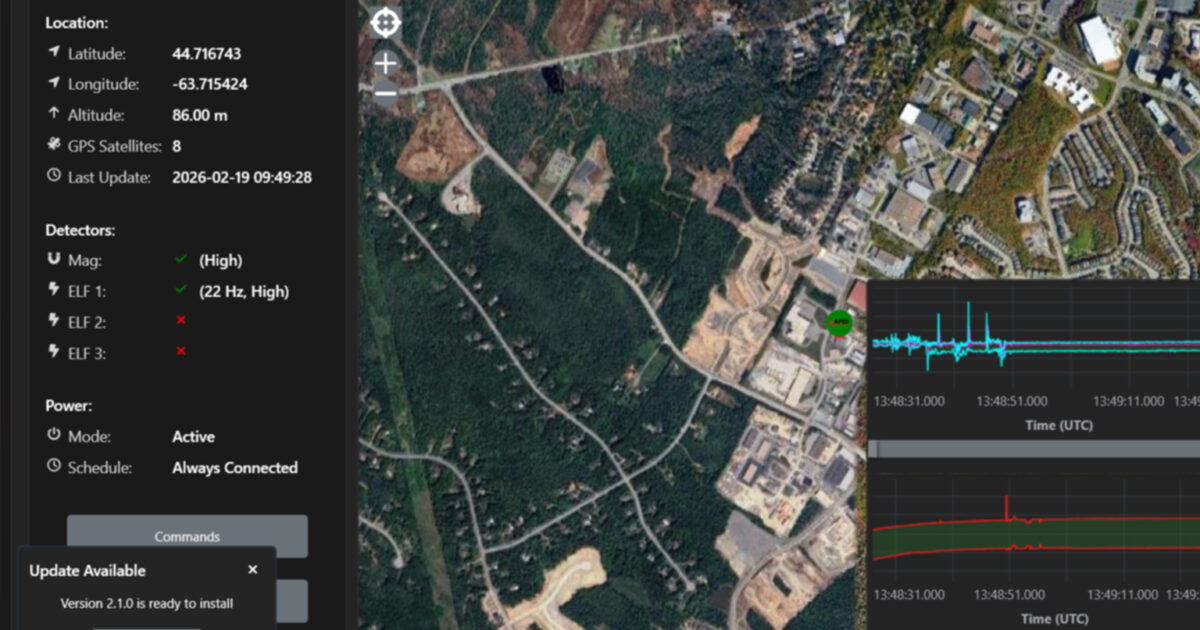
Predictive pig tracking uses AI algorithms built into tools such as PigView Web and the APEX Above Ground Marker (AGM). These systems combine waveform analysis, sensor data, and cloud monitoring to:
- Detect pig passage with high accuracy
- Estimate arrival times at upcoming AGMs
- Reduce false positives through machine learning
- Send automated alerts and real-time detection reports
This approach helps operators see issues earlier, act faster, and reduce unnecessary field work.
APEX AGM and PigView Web
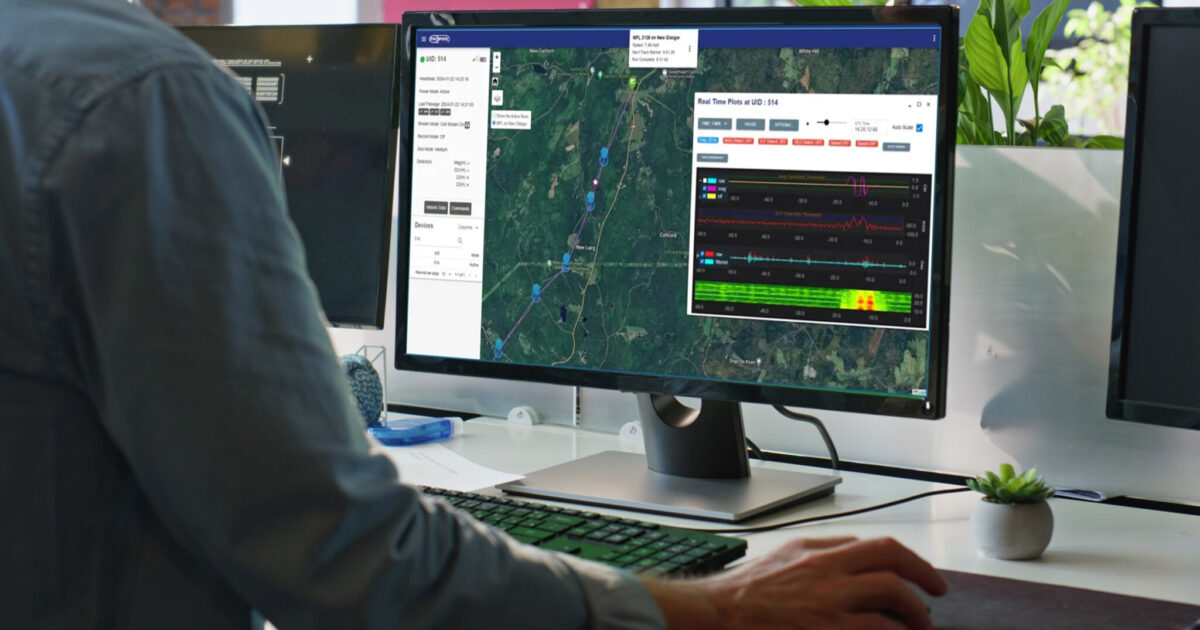
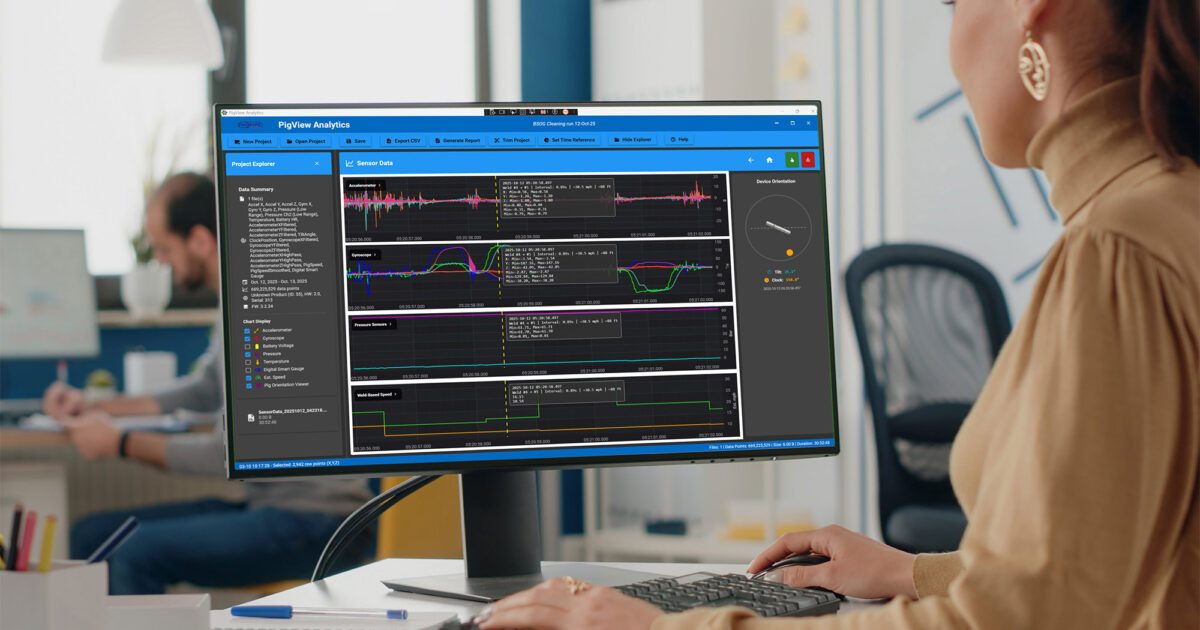
The combination of the APEX AGM and PigView Web shows the full value of predictive analytics. Operators can monitor pig runs remotely and access waveform and detection data through a secure cloud dashboard. This reduces time in the field and gives teams better visibility across the full pipeline network.
With these tools, operators can:
- Plan maintenance before problems grow
- Catch unusual pig movement patterns
- Automate documentation and compliance tasks
Want to learn more about how the system works? Visit our Frequently Asked Smart Pigging Questions for answers.
Industry Trends and Validation
The U.S. Pipeline and Hazardous Materials Safety Administration (PHMSA) and the Canadian Energy Pipeline Association (CEPA) encourage pipeline operators to use data-driven integrity practices. Predictive pig tracking supports these standards by improving safety, reducing manual checks, and lowering operating costs. It also supports long-term pipeline integrity management by helping teams act before issues escalate.
A Smarter Future for Pipeline Integrity
Modern tools give operators more than simple pig passage confirmation. They provide insight into pipeline conditions, reveal patterns over time, and support better decisions. By combining AI, waveform analysis, and remote connectivity, Propipe North America is helping operators move toward a more proactive and reliable integrity model.
Predictive pig tracking strengthens safety, supports compliance, and creates a more efficient pipeline inspection process across the entire network.
Predictive pig tracking helps operators improve safety, strengthen compliance, and achieve more reliable, efficient operations across their entire network.