Web-based Pig Tracking

What Is Inline Pigging and Why It Matters for Pipeline Health

Pipelines integrity

Pipelines move oil, gas, and other essential products that power our world. Keeping them safe and efficient is critical. One of the most effective ways to protect them is through inline pigging — a proven method for maintaining pipeline integrity and performance.

What Is Inline Pigging?

Inline pigging is the process of sending a device, known as a pig, through a pipeline while it’s still in operation.
Each pig is designed for a specific job, such as cleaning, inspecting, or tracking.

Inline pigs can:

  • Clean the inside of the pipeline by removing debris, buildup, or corrosion.

  • Inspect for cracks, dents, or wall thinning using advanced sensors.

  • Track their location to confirm progress and detect potential problems.

Pigs are launched into the line from one end and collected at the other — all without stopping the flow.
This allows operators to maintain pipeline health and performance with minimal disruption.

Why Inline Pigging Matters for Pipeline Health

1. Prevents Blockages and Corrosion

Pipelines naturally collect deposits like wax, scale, and liquids over time. If left unchecked, these can restrict flow or cause costly shutdowns. Regular inline pigging removes buildup and corrosion, improving efficiency and extending pipeline life.

2. Supports Regulatory Compliance

Pipeline operators must follow strict safety and inspection rules.
Pigging provides documented proof that maintenance and inspections are performed correctly.
This data helps operators meet regulatory compliance standards and demonstrate proactive pipeline integrity management.

3. Enhances Safety

Pigging detects early signs of damage such as cracks, leaks, or metal loss. Finding these problems early prevents spills, environmental harm, and potential safety incidents — protecting both communities and operators.

4. Improves Efficiency and Reduces Costs

Inline pigging helps reduce downtime and maintenance costs. By keeping the line clean and identifying issues before failure, operators save money and time while keeping pipelines running smoothly.

Inline Pigging and Pipeline Integrity Management

Pipeline integrity management isn’t just about fixing problems — it’s about preventing them.
Inline pigging supports this proactive approach by giving operators better insight and control.

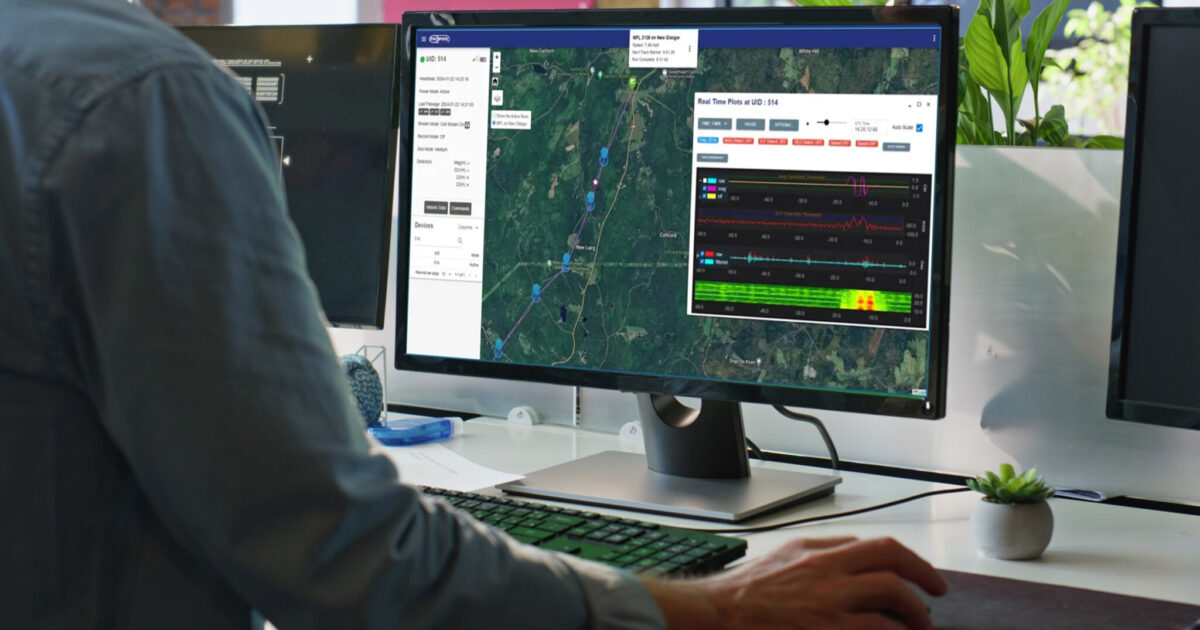
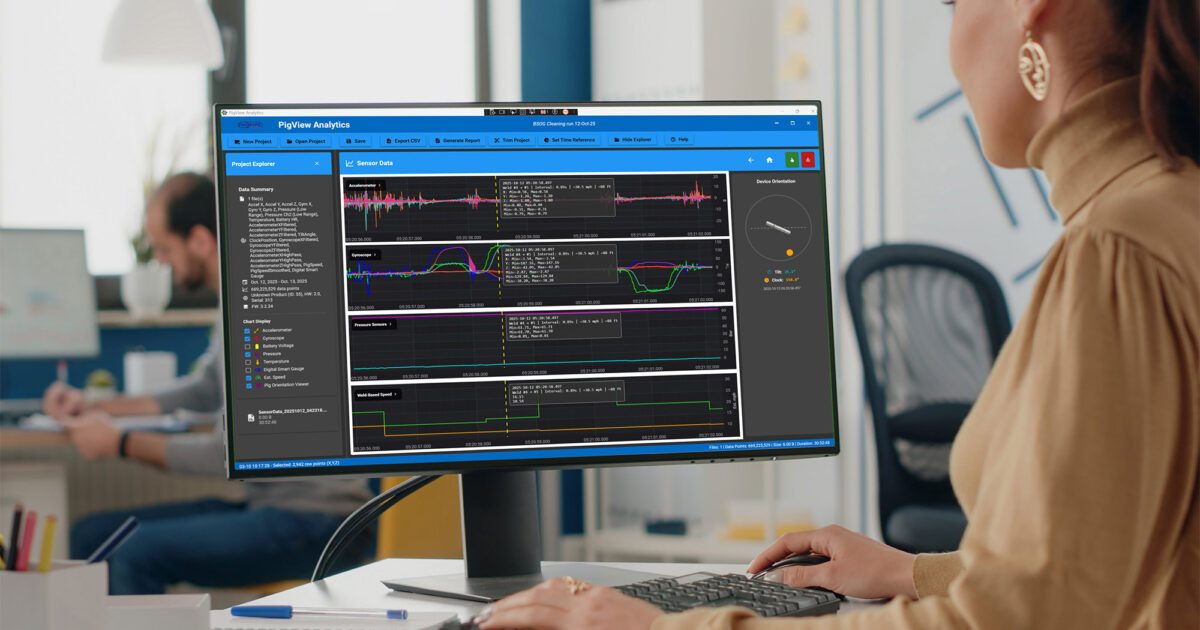
With modern tools like APEX AGM Above Ground Markers and PigView Web, pigging becomes smarter and more data-driven.

Together, these systems:

  • Deliver real-time tracking and detection data.

  • Help plan maintenance based on actual pipeline conditions.

  • Store inspection history for long-term analysis and reporting.

This combination of inline pigging and digital monitoring turns raw data into actionable insights, supporting safer, more efficient operations.

The Future of Pipeline Health

Inline pigging is more than routine maintenance — it’s an essential part of sustainable pipeline integrity management. It helps operators:

  • Minimize risks.

  • Control maintenance costs.

  • Extend the lifespan of valuable infrastructure.

As energy networks expand, inline pigging will continue to play a critical role in keeping pipelines safe, reliable, and compliant.

Ready to Strengthen Your Pipeline Integrity Program?

Protect your pipelines with proven pigging solutions from Propipe North America.
Contact our team today to schedule a consultation or request a quote. We’ll help you design a proactive pigging strategy that fits your pipelines, risk profile, and budget.


FAQs About Inline Pigging

1. What is inline pigging in pipeline maintenance?

Inline pigging is the process of sending a tool, known as a “pig,” through a live pipeline to clean, inspect, or monitor its condition. The pig removes buildup, detects corrosion, and helps maintain steady flow without interrupting operations.

2. How does inline pigging improve pipeline safety?

Inline pigging detects cracks, corrosion, or buildup before they become serious. Early detection prevents leaks, protects the environment, and keeps the pipeline running safely and efficiently.

3. What tools are used for pig tracking?

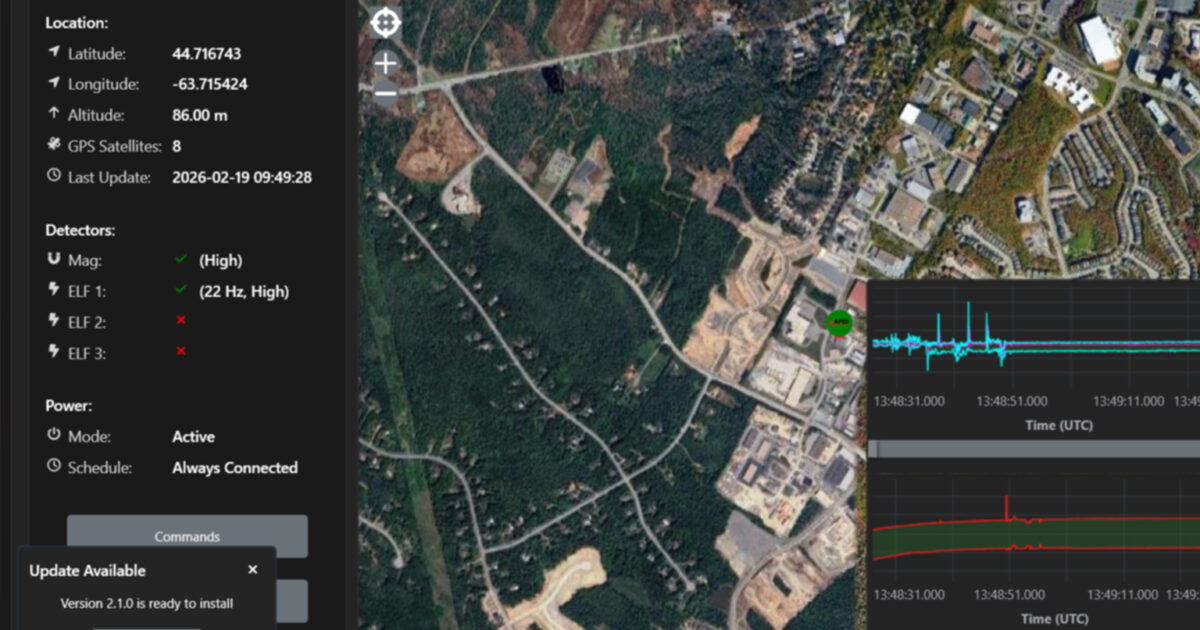
Propipe North America’s APEX Above Ground Marker (AGM) and PigView Web work together to track pigs in real time. The APEX AGM detects pig passages using electromagnetic and acoustic signals, while PigView Web displays the data online for remote monitoring.

4. How often should pipelines be pigged?

The frequency of pigging depends on pipeline material, contents, and operating conditions. Many operators perform cleaning or inspection runs every few months or after significant pressure or flow changes.

5. Why is inline pigging essential for pipeline integrity management?

Inline pigging supports proactive maintenance by identifying problems early and providing accurate inspection data. It’s a cornerstone of pipeline integrity management, helping operators prevent costly failures and comply with safety regulations.

Share the Post:

Related Posts