
-
23 September 2025
Pipeline Integrity Management: Building a Proactive Inspection Strategy
Pipelines face pressure, corrosion, and tough environmental conditions every day. To avoid costly failures, inspections need to be proactive, not reactive. A well-planned inspection strategy helps teams find problems early, protect valuable assets, and stay compliant with safety regulations.
This guide shows how to build a smart, data-driven pipeline integrity program using pig-tracking tools and Above Ground Marker (AGM) technology from Propipe North America.
Step 1: Establish a Baseline
Begin with a full review of your pipeline system. Look through inspection reports, maintenance logs, and any past incidents to find areas that may be at higher risk — such as weld joints, bends, or sections that are hard to reach or prone to corrosion.
Creating this baseline gives engineers a clear starting point for comparison during future inspections. It also helps decide where to focus resources and when to schedule inspections within your integrity management plan.
Step 2: Select the Right Inspection and Pigging Tools
Different pipelines need different inspection methods. Straight, large-diameter sections work well with smart pigs that use ultrasonic or magnetic sensors to detect corrosion or wall loss. Tight bends, small diameters, or older lines may require tethered crawlers or external inspection tools.
For accurate tracking, combine pigs with Above Ground Markers (AGMs) and electromagnetic transmitters. Our APEX AGM offers reliable signal detection and GPS time synchronization, ensuring every pig run is recorded and verified, even in challenging conditions.
Step 3: Define Inspection Frequency and Predictive Triggers
Once risks are mapped, decide how often each section of the pipeline should be inspected. High-risk areas — such as older segments or those with known corrosion — should be checked more often, while low-risk lines can follow a longer schedule.
Use past data to guide these decisions. By comparing results from previous pig runs, teams can spot early warning signs like faster corrosion or pressure changes. Setting predictive triggers based on this data helps schedule maintenance before issues become costly or dangerous.
Step 4: Collect and Track Data in Real Time
Accurate data is the heart of any good inspection program. Modern tools make it possible to track pig runs as they happen and store the results automatically.
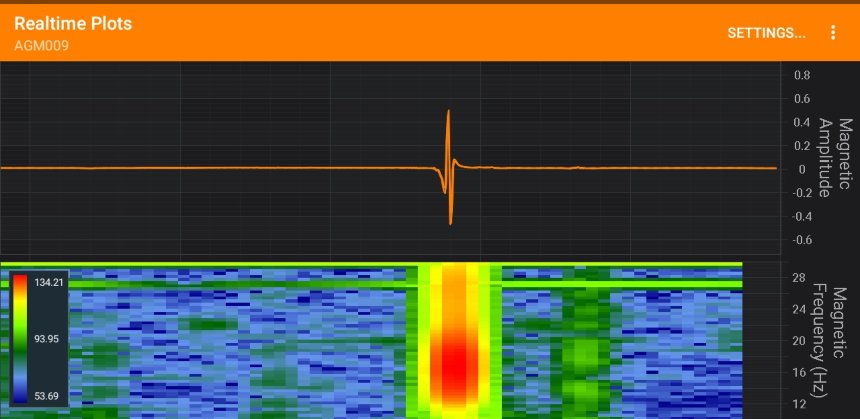
Our Above Ground Marker APEX AGM records electromagnetic, magnetic, and acoustic signals from transmitters and syncs each event with GPS time stamps. When connected to PigView Web, this data appears in real time on a dashboard, so engineers can see progress, confirm pig passage, and spot any irregularities right away.
Having both real-time and historical data helps build a clear picture of pipeline health and supports faster, smarter maintenance decisions.
Step 5: Plan Response and Maintenance Actions
Inspection data is only valuable if it leads to action. Create a clear plan that defines what to do when defects are found and who is responsible for each task.
Set repair thresholds—such as specific levels of corrosion or damage—that trigger maintenance work. Make sure your plan also includes the tools, materials, and people needed to respond quickly.
By preparing in advance, teams can act fast, avoid delays, and prevent small problems from turning into major failures.
Step 6: Continuous Improvement and Compliance Alignment
After each inspection, review what worked well and what can be improved. Check if the inspection tools performed as expected, if data collection was smooth, and if inspection intervals need to change.
Stay up to date with industry standards such as PHMSA in the U.S. and CSA in Canada. As technology advances—like new sensors, software, or data analysis tools—update your program to keep it current and effective.
Regular reviews and small improvements help build a stronger, more reliable integrity management program over time.
How Propipe North America Powers Smarter Pipeline Integrity
Propipe North America delivers integrated tools for pipeline pigging and inspection. Together, the APEX AGM, Trident EM Transmitters, and PigView software create a comprehensive ecosystem for real-time pig-tracking solutions and inline pigging management.
Key advantages:
-
Real-time tracking: detect pigs, welds, and vibration using multi-sensor inputs.
-
Reliable connectivity: cellular LTE and Iridium satellite options ensure data flow in remote areas.
-
Long operational life: up to 144 hours in active mode for extended fieldwork.
-
Data visualization: PigView Web and Mobile provide alerts, event logs, and performance analytics.
By combining accurate field detection with cloud-based data analysis, Propipe North America enables pipeline operators to anticipate problems — not react to them.
Ready to Modernize Your Pipeline Inspection Program?
A proactive inspection strategy keeps pipelines safer, more compliant, and more cost-efficient. Instead of waiting for failures, act with foresight.
Contact Propipe North America to learn how the APEX AGM Above Ground Marker and PigView can support your next pipeline integrity management project.