
-
24 September 2024
Intelligent Transmitters in Gauge PIG Tracking
In the oil and gas industry, keeping pipelines in good condition is crucial. Gauge pigs are widely used to check pipeline diameter and detect obstructions before running an In-Line Inspection (ILI) tool. But when the plate on a gauge pig gets damaged, operators usually can’t tell where the issue happened. Running a caliper pig is the next logical step, but this can take days and involve personnel, significantly increasing costs.
Adding an intelligent EM transmitter to the gauge pig supports electromagnetic pig locating, helping crews track its progress and locate the pig if it becomes stuck. This helps avoid unnecessary caliper pig operations, saving both time and money.
The Benefits of Intelligent Electromagnetic Transmitters
Intelligent electromagnetic transmitters emit ELF signals and log important operational data, such as:
- 3-axis accelerometer and gyroscope data. These sensors track the pig’s movement and orientation through the pipeline, helping operators detect significant events like shocks or sudden stops.
- Pressure and temperature logging. Captures pipeline conditions, allowing operators to monitor pig performance.
These features provide comprehensive data that help operators understand what happens inside the pipeline during each run.
How EM Transmitters Enhance Gauge Pig Runs
Incorporating intelligent electromagnetic (EM) transmitters into gauge pigs provides operators with valuable data, helping them avoid the need for costly caliper pig runs.
Pinpointing Deflection Locations. One of the main indicators of gauge plate deflection is when accelerometer data shows that the pig has been stationary for a while, likely after a strong impact. This suggests the pig may have hit an obstruction or navigated through a challenging section of the pipeline.
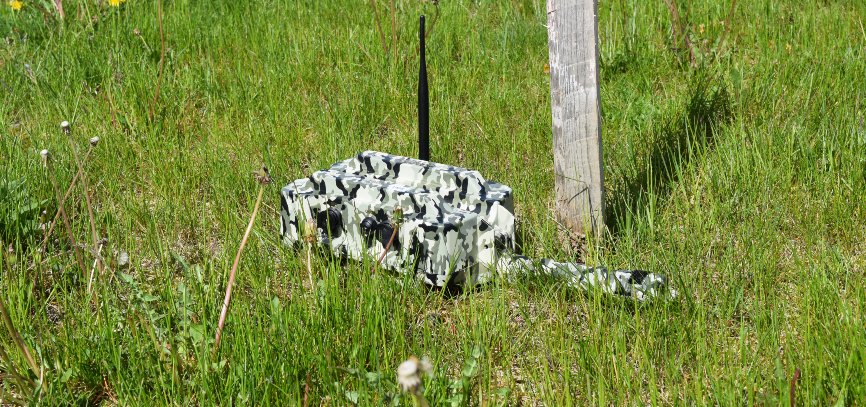
Accurate Tracking Without Odometers. Gauge pigs typically are not equipped with odometers to keep them simple. However, intelligent transmitters with time-stamping and regularly spaced tracking intervals can estimate where damage occurred. This is particularly helpful in pipelines with difficult sections near the suspected deflection point. Tools like APEX AGM and PigView Web Software allow operators to track the pig’s movement and log critical data, providing actionable insights.
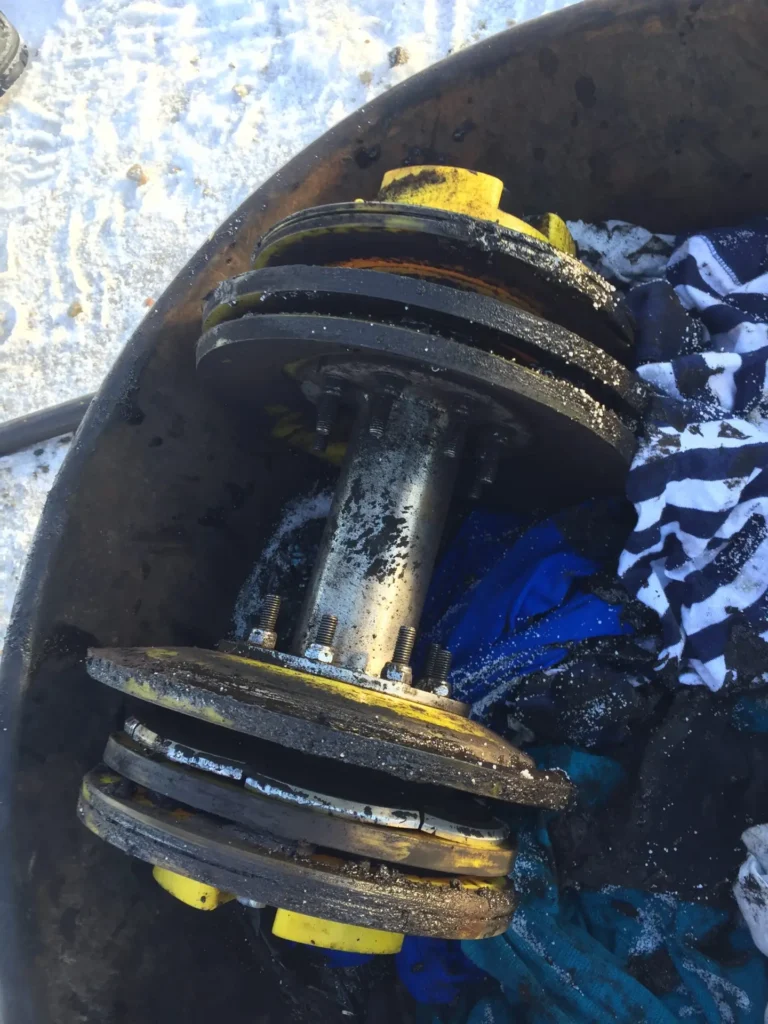
Reducing the Need for Caliper Pig Runs. The detailed data from intelligent transmitters can help operators determine if the deflection happened in a non-threatening area, like a high-speed impact at a pipeline bend. In such cases, a caliper pig run may not be necessary, saving both time and resources.
Reliable Tracking and Recovery. Adding a transmitter to the gauge pig is essential for tracking its location or retrieving it if it becomes stuck. Many standard transmitters lack data logging, but our intelligent transmitters offer both tracking and data logging at a competitive price, making them an ideal choice for gauge pig runs.
Using intelligent electromagnetic transmitters with gauge pigs enhances pipeline inspection by providing critical data to avoid unnecessary caliper pig runs. By analyzing shock events, tracking stops, and using time-stamped data, operators can confidently pinpoint damage locations and make more informed decisions about pipeline maintenance. With competitive pricing and advanced capabilities, these intelligent transmitters are a smart investment for any pipeline inspection program.
Ready to optimize your gauge pig runs and reduce unnecessary costs? Turn to the specialists at Propipe North America. Our team can provide expert advice and cutting-edge technology to ensure your pipeline inspections are efficient and cost-effective. Contact us today to learn more!
Electromagnetic pig locating uses an EM transmitter installed on a pipeline pig to generate a signal that can be detected by above-ground tracking equipment. This allows field crews to confirm pig passage at specific locations and track the pig’s progress through the pipeline.
Electromagnetic pig locating helps operators monitor where a gauge pig is as it travels through the pipeline. When tracking locations are combined with time-stamped transmitter data, operators can better understand where significant events, stops, or impacts occurred and investigate potential gauge plate deflection more efficiently.
Yes. An electromagnetic transmitter provides a detectable signal that can help crews locate a pig if it stops moving or becomes stuck in the pipeline. Using EM transmitters together with compatible above-ground tracking equipment can significantly narrow the search area and support faster pig recovery.
Intelligent EM transmitters combine a detectable electromagnetic signal with additional operational data. Depending on the transmitter configuration, this can include accelerometer, gyroscope, pressure, temperature, and time-stamped information. This gives operators more context than pig location alone and can help them understand what happened during the run.
An electromagnetic pig locating setup typically includes an EM transmitter installed on the pig and compatible above-ground detection equipment. ProPipe North America’s intelligent EM transmitters can be used with APEX Above Ground Markers and PigView software to support tracking, data collection, and analysis throughout the pig run.