-
15 October 2026
Case Study: Remote Receiver, Live Results
Unattended APEX Tracking for a Multi-Day Cleaning and MFL Program in Washington State
A third-party pig tracking company rented 10 APEX Above Ground Markers (AGMs) from Propipe North America to track a multi-day pigging program near Burlington, Washington.
The units were placed once and left unattended for the whole program. Every cleaning run and the final MFL inspection were tracked live, including each pig’s arrival at a receiver on a dock about a mile offshore.
The Challenge
The program sent several pigs through the line over several days, and each run had to be confirmed before the next pig could launch.
The receiver added a complication: it sat on a dock about a mile from shore. With conventional AGMs, confirming each arrival there would mean sending someone out to the dock for every run. The tracking company needed reliable passage confirmation along the line and at the receiver, without keeping crews on standby at every site for the full program.
The Solution
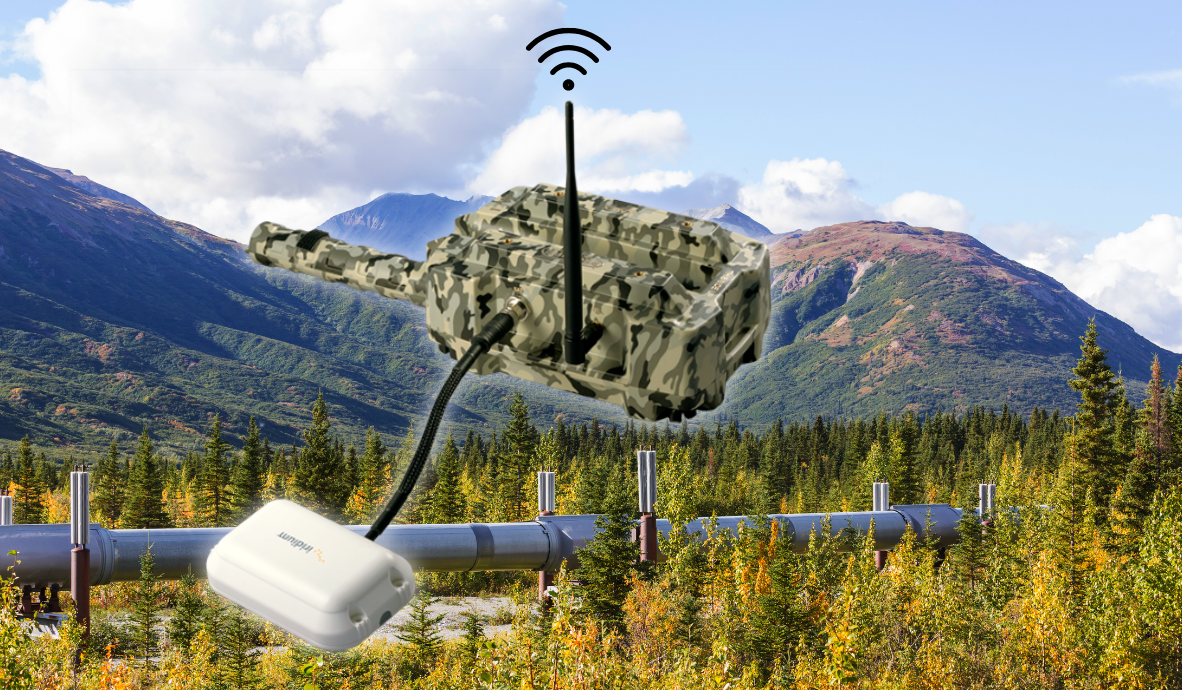
Products: 10 APEX AGMs rented from Propipe North America, sending live passage data to Propipe’s tracking server.
Deployment: all 10 units were placed along the line before the program started and left unattended for its full duration. One APEX AGM was installed on the dock at the receiver.
Why it worked: pre-deploying unattended AGMs meant one setup covered every run in the program. The unit on the dock confirmed each pig’s arrival without anyone needing to be out there.
Implementation in the Field
With the APEX AGMs in place before the first cleaning run, the crew didn’t need to move or redeploy equipment between runs. Each APEX sent passages over the cellular network to Propipe’s server as they happened, so the crew could follow every pig live, from launch, through each marker, to arrival at the dock. The same setup carried through to the final MFL run.
One setup for the whole program: a single pre-deployed set of 10 APEX AGM units covered the entire multi-day program.
Results
- Every run tracked live: all of the cleaning runs plus the final MFL inspection.
- Every passage verified: at each AGM location and at the offshore receiver.
- One setup for the whole program: a single pre-deployed set of 10 APEX units covered the entire multi-day program.
Why Unattended Pig Tracking Matters
Multi-run programs, such as progressive cleaning ahead of an inline inspection, are where unattended tracking pays off most. Set up once, confirm each run before launching the next, and keep crews where they’re needed. Hard-to-reach checkpoints such as docks, water crossings and remote valve sites can be covered without sending anyone out.
Planning a multi-run pigging program? Contact Propipe North America to rent APEX AGMs and track every run remotely.
Frequently Asked Questions about Remote Pipeline Pigging
Yes. In this program, 10 APEX AGMs were placed along the line before the first run and left unattended for every cleaning run and the final MFL inspection, sending passages live over the cellular network.
Place an APEX AGM at the receiver. In this program, one unit installed on a dock about a mile offshore confirmed each pig’s arrival remotely, so no one had to be on the dock.
Yes. The tracking company in this case rented all 10 APEX AGMs from Propipe North America. Contact Propipe for availability.
MFL (magnetic flux leakage) is an inline inspection method. A smart pig magnetizes the pipe wall and detects metal loss, such as corrosion, from changes in the magnetic field. Cleaning runs usually come first so the inspection tool collects good data.
Each cleaning run has to be confirmed complete before the next pig launches. Tracking every run proves the line was cleaned as planned before the inspection tool goes in.