
-
10 November 2026
Case Study: One Setup, Five Runs: Tracking Pigs Off the Grid in Oregon
A third-party pig tracking company tracked a full inline inspection (ILI) campaign on a remote 80-mile pipeline in Oregon. The campaign ran three progressive cleaning runs over three days, then a magnetic flux leakage (MFL) inspection took place. After a standby period, an electromagnetic acoustic transducer (EMAT) run followed.
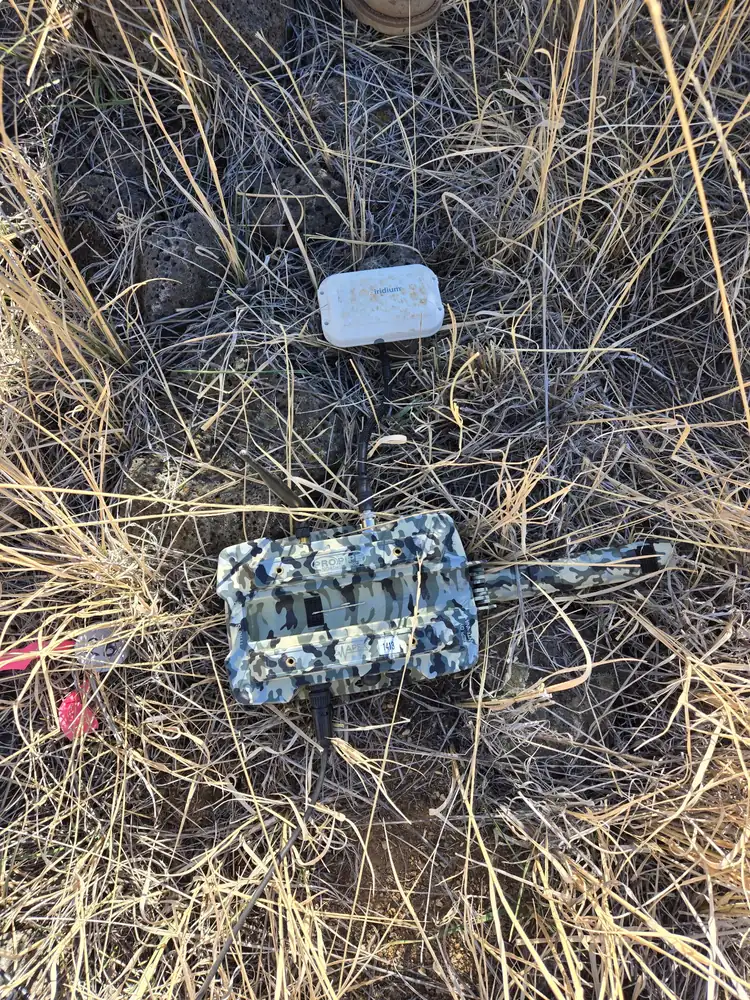
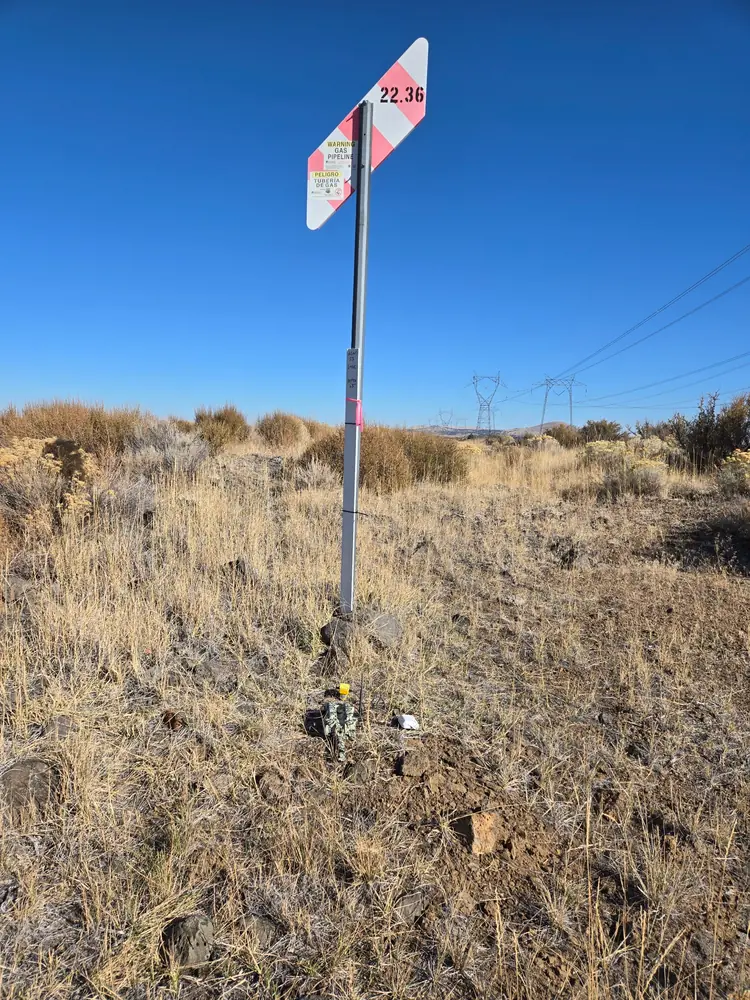
Propipe North America supplied more than 80 APEX Above Ground Markers (AGMs) for the job. About 75% carried Iridium satellite modules for sites with no cell coverage. The other 25% reported over cellular. Every pig passage was GPS-timestamped and sent to the team as it happened.
The Challenge
Before the MFL tool could run, the line needed three cleaning runs over three days. Each run had to be tracked and confirmed before the next tool went in.
The 80-mile route runs through dense forest and mountains. Most of it has no cell coverage, and many marker sites are slow and hazardous to reach. With 80+ tracking points, sending crews to every site for every run would have meant long drives, long hours and more time on rough roads.
The units also had to stay in the field for the whole campaign, including a standby period between the MFL and EMAT runs. That made battery life a real concern.
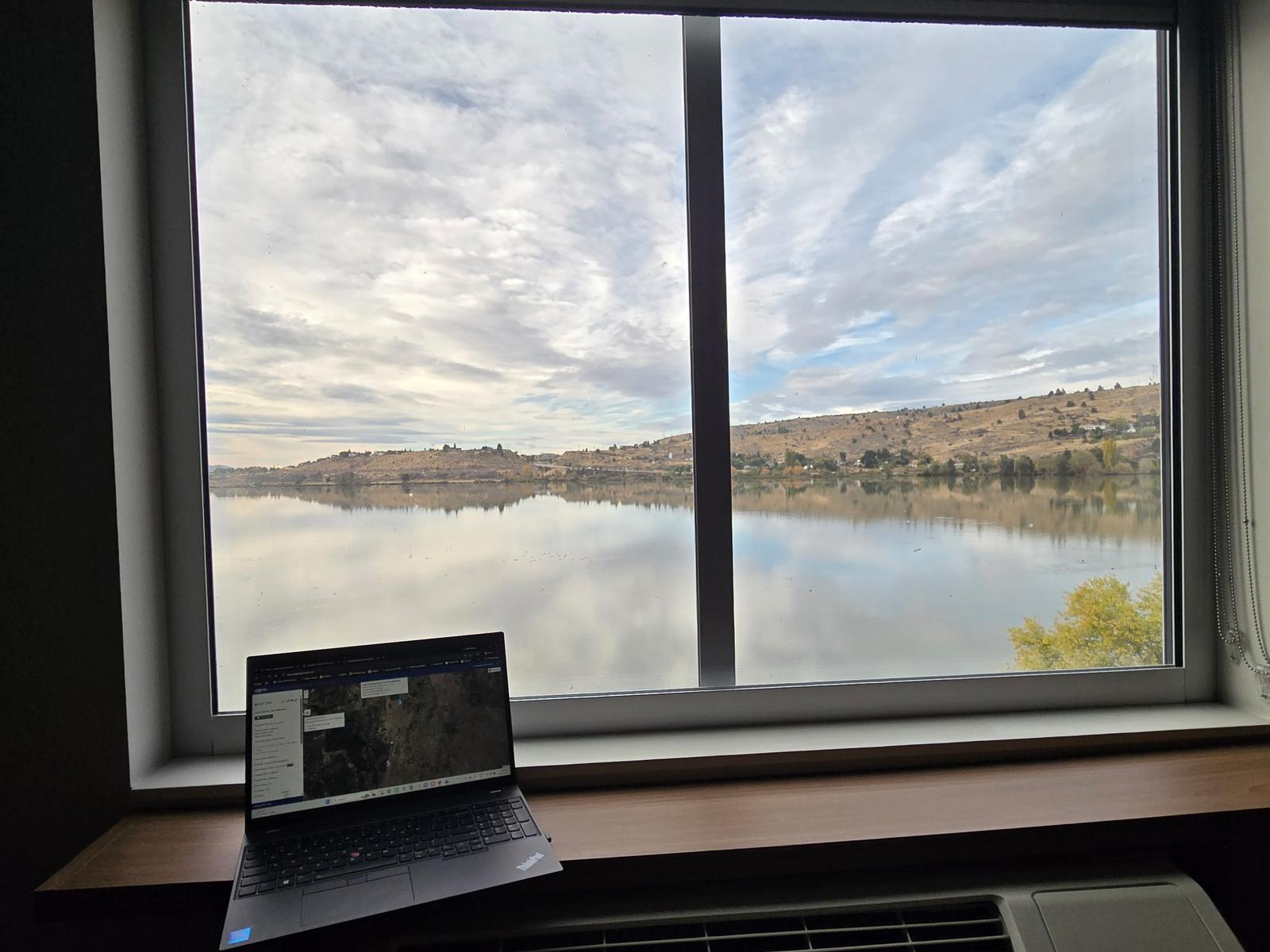
Implementation in the Field
Between runs, the APEX AGM units sat on a 30-minute hibernate schedule to save battery. That meant fewer trips back into the field.
During each run, the APEX logged a GPS-timestamped passage as the tool went by and sent it back over Iridium or cellular. The team followed every run live, from launcher to receiver. They could confirm a run was complete before sending the next tool, without driving between remote sites.
After the MFL run on October 22, the job went on standby while the EMAT tool was prepared. The same APEX AGM setup, still in place, then tracked the EMAT run on October 29.
Results
One APEX AGM setup tracked five pig runs across 80 remote miles, from the first cleaning tool to the EMAT run.
All three cleaning runs were tracked and every passage confirmed along the 80-mile line.
The MFL tool was tracked on Thursday, October 22, 2026.The same setup carried through standby and tracked the EMAT run on October 29, 2026.
Sites with no cell coverage reported over Iridium satellite, and sites with coverage reported over cellular.
The 30-minute hibernate schedule kept batteries going, so fewer trips into the field were needed.
Fewer site visits saved time and kept the crew off hazardous forest and mountain roads
Frequently Asked Questions
APEX AGMs can be fitted with Iridium satellite modules. On this Oregon job, about 75% of the 80+ units reported pig passages over satellite from sites with no cell service.
Yes. Cellular units went where coverage existed and Iridium units covered the rest. All passages came back to one team as they happened.
Not on this job. A 30-minute hibernate schedule between runs kept the units powered through three cleaning runs, an MFL run, a standby period and an EMAT run.
Each passage is GPS-timestamped and sent back over satellite or cellular, so the team can confirm a run is complete before launching the next tool.